Bienrock helps grain trading companies prepare company and transaction documentation and introduces cases to suitable trade finance institutions. Its case assessment considers the commodity, counterparties, route and instrument the deal needs; the institution decides whether to proceed.
Key takeaways
- A back-to-back letter of credit is two separate credits: a master credit from the buyer’s bank in favor of the intermediary, and a second credit from the intermediary’s bank in favor of the supplier.
- Treat the two credits as separate undertakings: payment under one should not be assumed to settle the other.
- The intermediary’s bank may have to pay the supplier even if the master credit does not pay, so it assesses its own credit exposure.
- Draft the second credit with the master presentation in mind: aligned documents and workable amounts and dates, with time for invoice substitution.
- Compare a transfer where the original credit supports it; it may avoid the need for a separately issued supplier credit.
- Bienrock acts as an intermediary between trading companies and financial institutions; it does not hold client funds or provide banking services.
Introduction
A commodity intermediary has a buyer and a supplier, and the margin sits between them. The buyer has agreed to pay by letter of credit. The supplier also wants a letter of credit, because it does not know the intermediary well enough to ship on open account. The intermediary does not want to pay the supplier from its own cash before the buyer pays, and often could not.
The apparent answer is to use the buyer’s credit as the basis for a second credit to the supplier. That is the back-to-back structure. The second bank undertaking creates an exposure that expected receipts under the first credit do not automatically eliminate.
The parties and basic flow of a letter of credit are covered in letter of credit explained for traders.
This is an educational explanation of private documentary-credit arrangements, not legal advice. The actual credit, any bank agreement and the rules incorporated into them determine the terms; this is not a quotation or clause-by-clause statement of ICC rules.
What a Back-to-Back Letter of Credit Actually Means
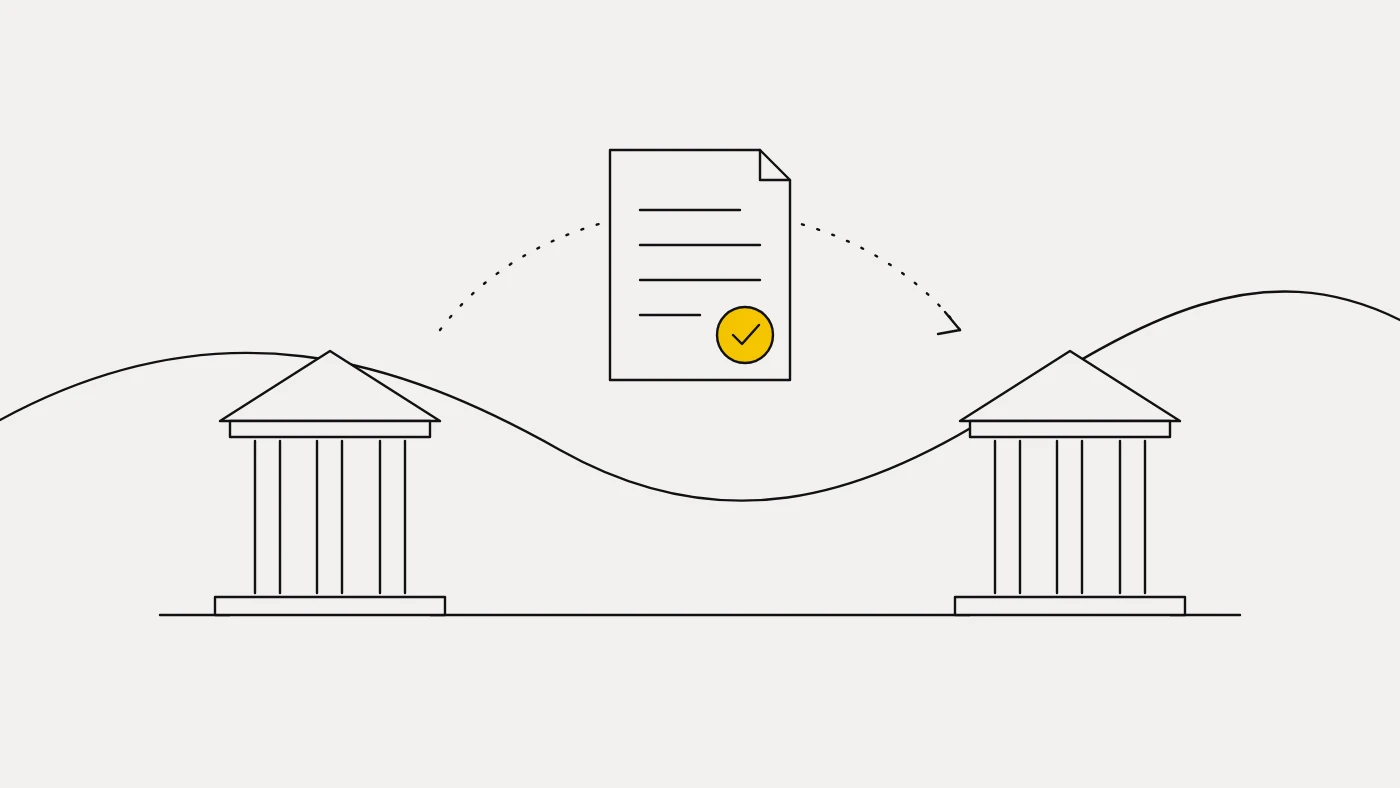
A back-to-back letter of credit is an arrangement in which an intermediary uses a credit issued in its favor by the buyer’s bank as the basis for asking its own bank to issue a second, separate credit in favor of its supplier.
- The master credit. Applicant: the end buyer. Beneficiary: the intermediary. Issuer: the buyer’s bank.
- The second credit (also called the back-to-back or secondary credit). Applicant: the intermediary. Beneficiary: the supplier. Issuer: the intermediary’s bank.
In a simplified structure, the supplier presents documents under the second credit. The intermediary arranges invoice substitution and any additional documents needed for presentation under the master credit. The agreed credits and bank procedures determine the sequence and timing of payment. The difference between selling and purchase prices is the gross trading margin, before bank and other costs.
Two Credits, Not One: Separate Undertakings
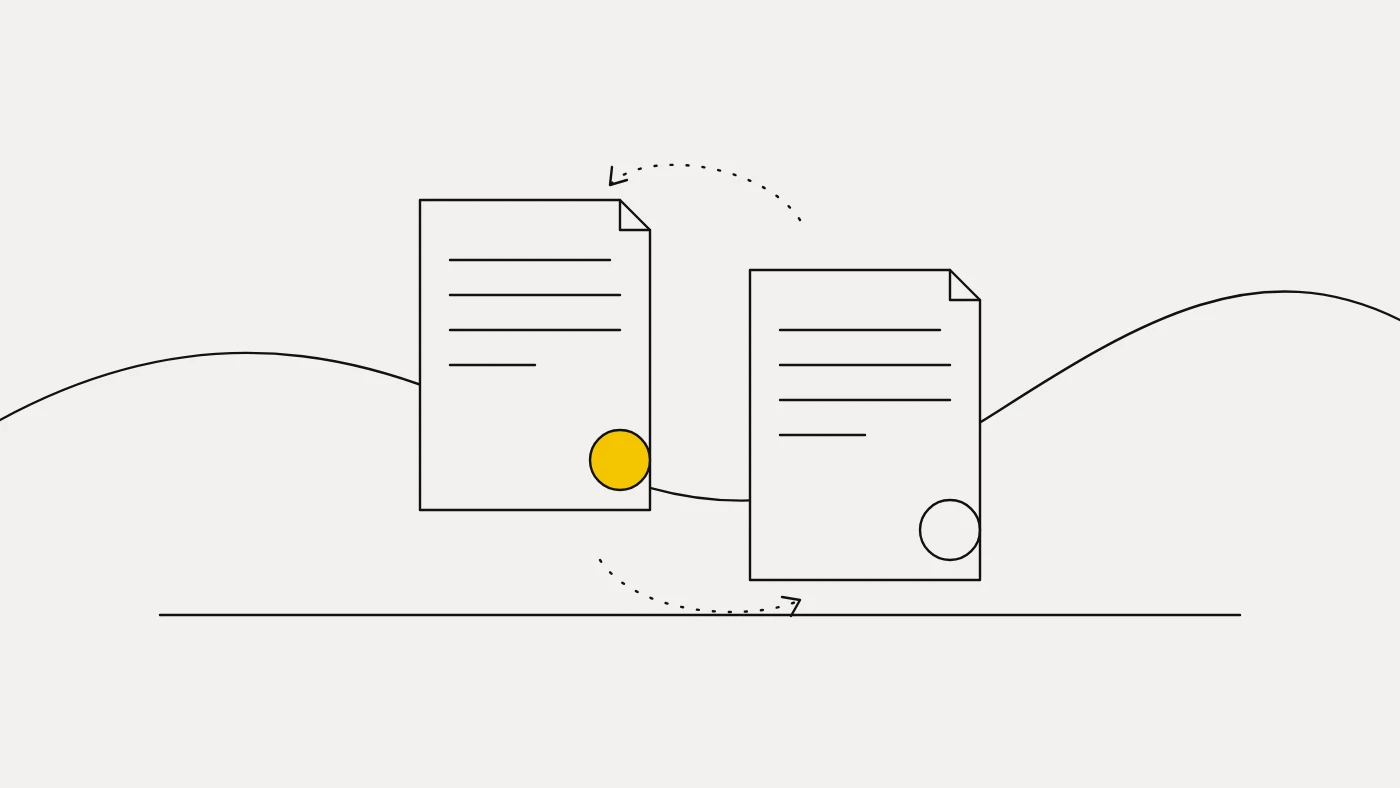
The back-to-back link is a commercial structure joining two credits; it is not a reason to treat them as a single payment promise. Read each credit separately, including the documentary rules it incorporates, its payment terms and any confirmation.
Each bank reviews the presentation under its own credit. A document set that works for the supplier’s credit may still fail to satisfy the master credit if its wording, dates or required documents differ.
Do not assume that failure of the master credit releases the intermediary’s bank from its separate undertaking to the supplier. Ask the bank to explain that exposure before agreeing the structure.
Why the Intermediary’s Bank Sees Credit Risk
The bank is asked to commit to pay a supplier on the strength of an intermediary that often has a limited balance sheet, with repayment expected from a credit issued by another bank, often in another country.
The master credit is the expected source of repayment, but it can fail to pay:
- The intermediary’s presentation under the master credit is discrepant, and the buyer does not waive the discrepancies.
- The master credit is amended after the second credit is issued, so the supplier’s documents no longer fit.
- The documents arrive too late for the master credit’s presentation period or expiry.
- The buyer’s bank or country cannot or will not pay, or sanctions and regulatory changes affect the deal.
If the supplier’s presentation meets the second credit but the master presentation fails, the intermediary’s bank may face payment without the expected reimbursement. Its review can cover:
- The intermediary. Financial standing, track record in the commodity, ownership and any existing trade facility. Without a facility, the bank may ask for cash cover or other collateral.
- The buyer and the buyer’s bank. The issuer, country exposure and any confirmation affect the expected source of repayment. Ask what control over documents and amendments the intermediary’s bank needs.
- The supplier and the goods. Whether the supplier can produce the required documents, and whether the commodity and route raise compliance questions.
- The structure. Every difference between the two credits is a point where the bank relies on the intermediary to produce something extra.
Do not assume the master credit eliminates the need for a facility or collateral. Discuss credit approval and the proposed security separately from document handling.
Matching the Two Credits: Amounts, Dates and Documents
The second credit is drafted backwards from the master credit. The test for every clause: if the supplier presents exactly what the second credit asks for, can the intermediary turn it into a complying presentation under the master credit, in time?
Amounts and unit prices
In a simple same-currency resale, the second credit may use a lower amount and unit price to reflect the supplier’s price. Check quantities, tolerances and partial shipments for consistency. Any currency difference adds an exchange-rate exposure to discuss with the bank.
Dates
Every date in the second credit should sit inside the corresponding date in the master credit, with room to spare: an earlier or equal latest shipment date, a shorter presentation period and an earlier expiry.
Documents
Compare every document requirement in the master credit with what the supplier can provide: goods description, consignee and notify party, originals and certificate issuers. Identify which documents can be reused, which need replacement and which the intermediary must obtain separately.
Check whether the proposed shipper or consignor names fit both credits. Do not assume a transport document naming the supplier will be accepted under the master credit. Identify additional documents, such as insurance evidence, that the intermediary will need to arrange.
A supplier presentation that works under the second credit must still leave a viable master presentation. Check each difference rather than assuming stricter wording alone makes the two compatible. Common problems are covered in letter of credit documents and rejection.
Timing Risks
A back-to-back structure runs two presentations in sequence. Build the timetable using the examination and presentation periods actually applicable to each credit, plus time for substitution and document delivery. The stages are:
- The supplier ships, collects the documents and presents under the second credit.
- The intermediary’s bank examines them.
- The intermediary substitutes its invoice and adds any documents it must produce itself.
- The set is presented under the master credit and examined again.
For illustration, if both credits give a 21-day presentation period and the supplier presents on day 20, the intermediary may have almost no time left. Those are example terms, not a statement of a default rule. Work backwards from the master deadline to allow for review, substitution and delivery.
Other timing risks are commercial:
- Shipment delays can leave a cargo inside the second credit’s dates but with no margin under the master credit.
- Payment terms mismatch. If the supplier is paid at sight and the buyer pays at a deferred date, the intermediary’s bank funds the gap. That is financing, and it is assessed as such.
- Amendments. Review any proposed master-credit change against the second credit before accepting it, and ask the banks which approvals and corresponding changes are needed.
How Document Substitution Works
In a simple resale, the supplier invoices the intermediary at the purchase price, while the master presentation calls for the intermediary’s invoice to the buyer. Agree with the bank when the substitute invoice and any draft must be delivered, how the remaining documents are handled and when each presentation is made.
Three issues come up repeatedly:
- Speed. If the substitute invoice is late, the master presentation can run out of time. Banks often agree in advance how and when substitution happens.
- Data consistency. The intermediary’s invoice must match the master credit and must not conflict with the quantity, description or shipment details in the supplier’s documents.
- Visibility. The supplier’s name may appear on transport or origin documents that reach the buyer. Keeping the supplier confidential has to be addressed when both credits are drafted, and it is not always possible.
Do not assume a substitution procedure from a transferable credit can simply be reused for two separate credits. Agree document custody, deadlines and the fallback with the banks in advance.
An Illustrative Example: A Grain Intermediary Between Two Credits
The example below is hypothetical. The companies, goods, amounts and dates are illustrative and do not describe any real transaction, client or market price.
An intermediary sells a cargo of milling wheat to a buyer abroad. The buyer’s bank issues a master credit in the intermediary’s favor for an illustrative USD 2.0 million, payable at sight, with a 21-day presentation period. It calls for a standard grain document set, including bills of lading and independent quality and weight certificates.
The intermediary buys the same cargo from a supplier for an illustrative USD 1.9 million and asks its bank for a back-to-back credit. The bank’s first question is not about the wheat. It is whether the intermediary has a facility or collateral to cover USD 1.9 million if the master credit does not pay. The intermediary has an existing trade relationship, and the bank agrees to issue against it, on condition that the master credit is made available with the bank.
The second credit is drafted from the master credit: the same goods description, tolerance, currency and documents, a latest shipment date one week earlier, a 10-day presentation period and an earlier expiry, with the supplier’s invoice made out to the intermediary.
The supplier ships and presents on day 8. The bank finds the documents complying and pays the supplier. The intermediary lodges its own invoice to the buyer the same day, and the bank presents under the master credit well inside the 21-day window.
Now change one thing. After issuance, the buyer requests an amendment adding a fumigation certificate. If the intermediary accepts it without amending the second credit, the supplier’s complying presentation no longer contains everything the master credit requires. The bank still pays the supplier, then depends on the intermediary obtaining the extra certificate in time. This is exactly the gap banks try to prevent.
When a Transferable LC Is the Simpler Route
Where the buyer can provide a credit supporting transfer and a bank agrees to handle it, compare that route before requesting a second credit. A transfer uses the buyer’s credit for the supplier leg rather than adding a separately issued credit. Ask the bank whether the intended prices, dates, documents and confidentiality needs fit. Compare actual fees and funding needs; do not assume either structure is available or cheaper.
How Bienrock Supports Commodity Intermediaries
Bienrock is a consulting company based in Geneva, Switzerland, acting as an intermediary between trading companies and financial institutions. It does not hold client funds or provide banking services.
Bienrock works only with grain in trade finance. The work starts with a free 30-minute consultation on the commodity, counterparties, route and instrument the deal needs. Bienrock helps prepare the company and transaction documentation institutions expect and introduces the case to suitable institutions.
The institution makes the credit decision and sets limits, collateral, pricing and conditions.
FAQ
What is a back-to-back letter of credit? Two separate letters of credit in one trade: a master credit from the buyer’s bank in favor of an intermediary, and a second credit from the intermediary’s bank in favor of the supplier, issued on the basis of the first.
What rules should the parties check for a back-to-back structure? Review each credit and its incorporated documentary rules separately, alongside the bank’s facility and document-handling agreements. The commercial link does not make the two undertakings interchangeable.
Does the intermediary’s bank pay the supplier if the buyer’s credit fails? It may have to pay against a presentation that meets its own credit even if repayment under the master credit fails. Ask the bank to explain the commitment, facility and collateral terms for the proposed deal.
Can Bienrock issue a back-to-back letter of credit? No. Bienrock is not a bank. It helps grain trading companies prepare their case and introduces it to suitable institutions, which decide whether to issue and on what terms.
Conclusion
A back-to-back structure can connect a commodity intermediary’s purchase and sale using two separate credits. Its viability depends on the bank accepting the exposure and on a document-and-date plan that works for both presentations. It is not a shortcut around credit approval or a substitute for checking the two sets of terms.
If your company trades grain as an intermediary and is considering a back-to-back or transferable letter of credit, start with a case assessment at bienrock.ch.