Bienrock helps grain trading companies prepare company and transaction documentation and introduces cases to suitable trade finance institutions. Its case assessment considers the commodity, counterparties, route and instrument the deal needs; the institution decides whether to proceed.
Key takeaways
- An unconfirmed export letter of credit gives the seller one bank undertaking: the issuing bank’s. A confirmed letter of credit adds a second, independent undertaking from another bank.
- Confirmation can reduce reliance on the issuing bank and its country, subject to the confirming undertaking and its conditions.
- A request for confirmation is not the same as a bank actually adding its undertaking.
- A silent-confirmation proposal needs a separate written agreement: compare its scope, exclusions, recourse and amendment provisions.
- Confirmation does not remove the need for a complying presentation; discrepancies need separate attention.
- Bienrock acts as an intermediary between trading companies and financial institutions; it does not hold client funds or provide banking services.
Introduction
A commodity exporter receives a letter of credit for its first cargo to a new buyer. The credit looks correct: irrevocable, subject to UCP 600, at sight. But it is issued by a bank the exporter has never dealt with, in a country where transfers out have been delayed before, and the cargo is worth more than the exporter’s annual margin.
The real question is not whether the deal has a letter of credit. It is whose promise the exporter is relying on, and whether that promise is good enough to load the vessel.
This post covers one decision: whether to ask for confirmation. It explains the roles of the issuing and confirming bank, ways to seek additional bank protection, limits of that protection, cost considerations and points to discuss before signing the sales contract.
This is an educational explanation of private documentary-credit arrangements, not legal advice. The actual credit, any bank agreement and the rules incorporated into them determine the terms; this is not a quotation or clause-by-clause statement of ICC rules.
What a Confirmed Letter of Credit Actually Means
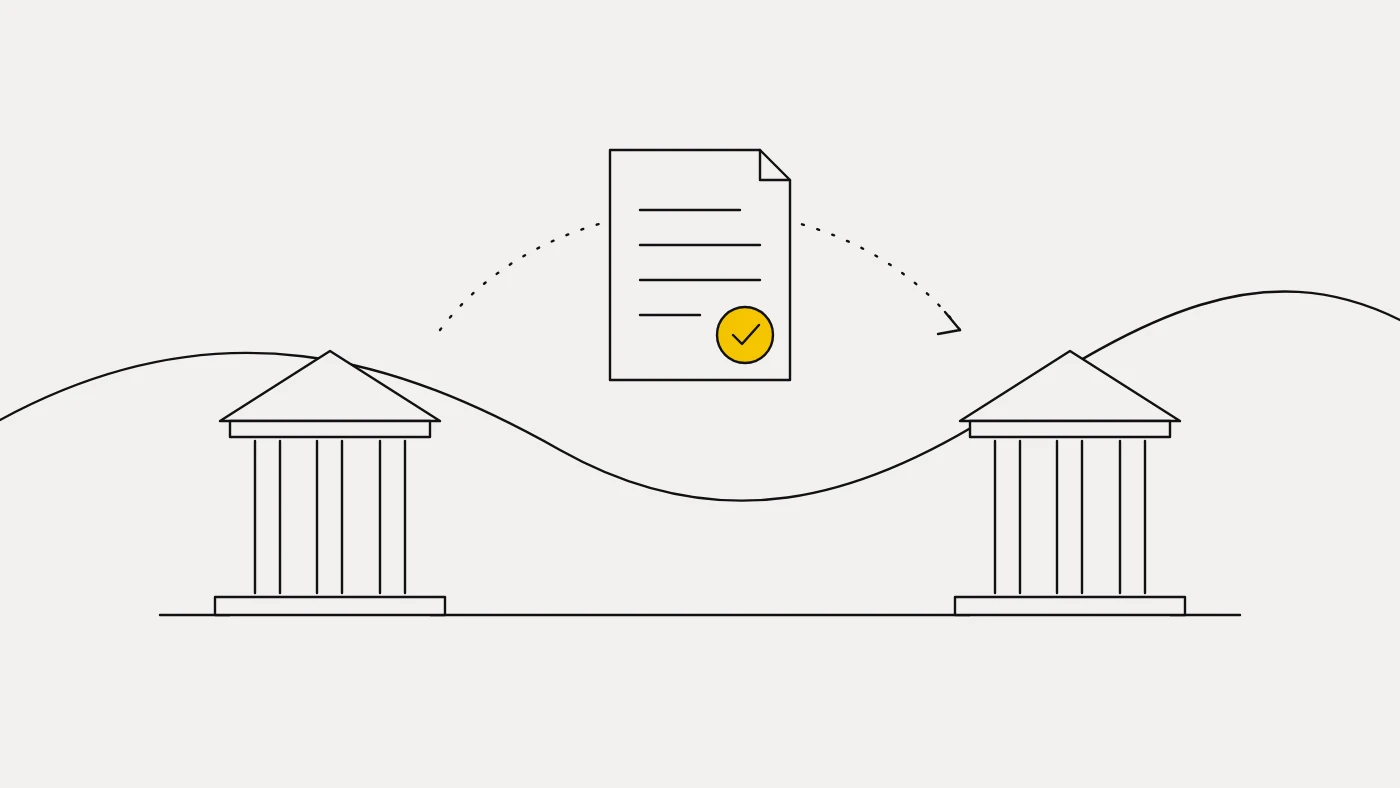
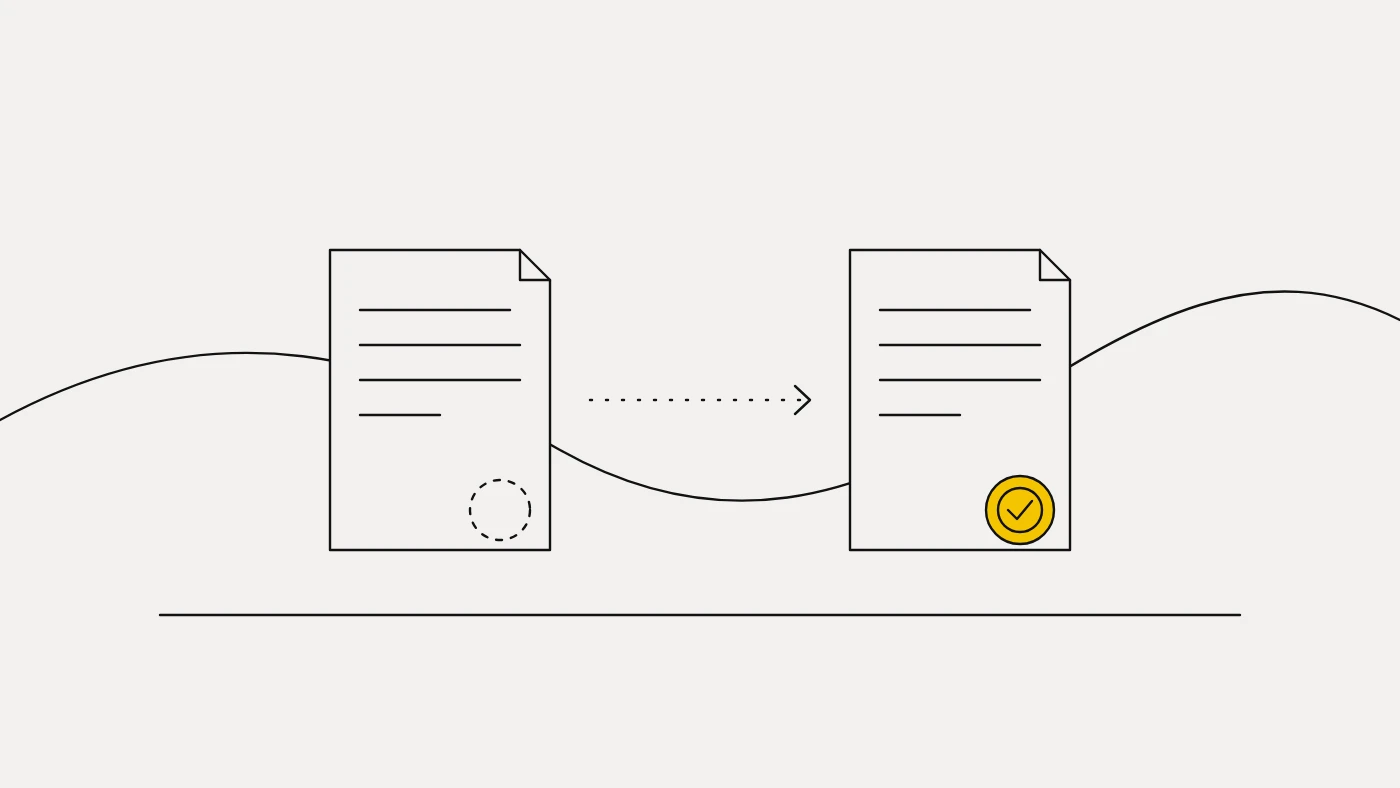
Confirmation adds a second bank’s undertaking alongside the issuing bank’s undertaking. For an exporter, the practical question is which bank has actually committed to pay, against what documents and on what terms.
In a confirmed structure, the seller has an additional bank undertaking against a complying presentation. Merely having an advising or document-handling bank involved is not the same as obtaining that undertaking.
A short recap: the buyer applies to its bank, the bank issues the credit, an advising bank in the seller’s country passes it on, the seller ships and presents documents, and a bank pays if they comply. The parties and flow are set out in our guide letter of credit explained for traders.
A letter of credit is only as strong as the bank behind it. Confirmation is how a seller puts a second bank behind it.
Unconfirmed vs Confirmed: What Changes for the Exporter
Whose undertaking the seller holds. An unconfirmed structure relies on the issuing bank’s undertaking. Confirmation adds the confirming bank’s own undertaking; check its written advice rather than relying on the buyer’s description.
What other banks do. Advising, receiving or examining documents should not be treated as a promise to pay. Ask the bank to identify expressly whether it is adding confirmation or making another commitment.
Who reviews the presentation. Agree where documents will be presented and which bank will examine them. Do not assume that the issuing and confirming banks will reach the same view on every document.
Risks confirmation may reduce, depending on its terms:
- Issuing bank risk: the issuing bank’s ability to pay.
- Country risk: political or economic events in the issuing bank’s country that stop payment, whatever the bank’s own standing.
- Foreign exchange availability: a solvent bank in a country short of hard currency may still be unable to remit.
What does not change: a documentary credit is designed around the specified documents, rather than a bank’s inspection of the goods themselves.
The Roles: Issuing Bank vs Confirming Bank
The issuing bank issues the credit for the buyer. Its undertaking, document requirements and payment terms are the starting point for the seller’s review.
The confirming bank adds its own undertaking to the seller and assesses its exposure to the issuing bank and the issuing bank’s country. That is a separate decision from the buyer obtaining the original credit.
Three practical checks help a seller avoid assuming protection it has not obtained:
- Acceptance. Obtain the proposed confirming bank’s agreement; an instruction from another bank is not enough.
- Evidence. Obtain the advice that actually adds confirmation and read its scope.
- Amendments. Before relying on changed dates, amounts or documents, check whether the confirming bank has extended its undertaking to the change.
When Confirmation Is Added
Confirmation requested through the issuing bank
A buyer can ask its issuing bank to request or authorize confirmation. For the exporter, the useful distinction is between the request sent to another bank and the undertaking that bank actually provides.
- Requested confirmation: ask which bank has received the request and whether it has accepted.
- Authorized confirmation: ask what further request or agreement is needed before the bank adds its undertaking.
- No confirmation arranged: do not treat ordinary advice of the credit as added payment protection.
A request does not mean the credit is confirmed. Obtain the bank’s written advice and check its undertaking before relying on it. The bank may decline after reviewing the credit, the issuing bank or its country exposure.
The practical lesson is to make the instruction part of the buyer’s application, which means writing it into the contract before the credit is issued.
Silent confirmation, at the seller’s request
Sometimes the issuing bank does not request or authorize confirmation, for example because it considers its own undertaking sufficient. A seller that still wants a second bank can ask a bank, usually in its own country, for a silent confirmation.
Silent confirmation is a separate arrangement negotiated between the seller and a bank rather than confirmation arranged through the issuing bank. Its value depends on the written undertaking, not the label. Compare the payment trigger, exclusions, recourse, amendment treatment and termination provisions.
What this means for the exporter:
- The agreement is the starting point. Read the scope, conditions, exclusions and any recourse to the seller with the bank and advisers.
- Bank roles matter. Ask how the proposed bank expects to receive documents and repayment; do not assume the issuing bank has accepted a role in the separate arrangement.
- Price and availability need a quote. Obtain a proposal for this credit rather than assuming silent confirmation is available or carries a standard premium.
- Amendments need review. Agree how changes to the credit will be handled before the seller accepts them.
Silent confirmation can be a useful fallback when the buyer’s bank will not request confirmation. It is a contract with a bank, not a feature of the credit.
What Confirmation Does Not Cover
Confirmation is sometimes described as “the bank pays whatever happens.” That is not what it is.
Discrepant documents. Confirmation does not make discrepancies disappear. Before shipping, check who will review the presentation and how any refusal, waiver or resubmission would be handled. Do not assume that a buyer’s waiver also secures the confirming bank’s acceptance. Common document problems are covered in letter of credit documents and rejection.
Amendments. Check whether an amendment is included in the confirming bank’s undertaking rather than assuming it follows automatically.
Limitations in the bank’s advice. Check the covered amount, dates, documents and payment conditions. Ask the bank and advisers to resolve any difference between that advice and the protection the sales contract expects.
The commercial deal. Confirmation is not a substitute for managing quality, quantity or demurrage disputes under the sales arrangement.
A second bank undertaking is useful only alongside workable documents and a clear understanding of its limits.
When an Exporter Should Ask for Confirmation
The decision usually turns on a few questions:
- Would the exporter accept the issuing bank as a direct counterparty if markets turned?
- Does the issuing bank’s country carry transfer or foreign exchange risk the exporter cannot assess?
- How large is the shipment relative to the exporter’s balance sheet?
- Is the credit deferred? The longer the gap between shipment and payment, the longer the seller depends on the issuing bank.
- Does the exporter want to present documents to a bank in its own region?
When the issuing bank is one the exporter would accept directly, and its country has no history of payment delays, an unconfirmed credit can be a reasonable choice. The decision should be deliberate, not a default.
What Drives the Cost of Confirmation
Each bank prices confirmation on its own view of the risk, so a fee quoted out of context means little. The drivers, in words:
- The issuing bank’s standing, as the confirming bank sees it.
- The issuing bank’s country. Some countries are outside a given bank’s appetite altogether.
- Tenor. A deferred credit keeps the confirming bank exposed longer than a sight credit.
- Amount and available limits. If a bank’s internal limits on the issuing bank or country are full, confirmation may be unavailable at any price.
- The proposed arrangement. Obtain separate quotes for confirmation and any silent-confirmation alternative.
- The credit’s terms. Unworkable documents or tight dates make the bank more cautious.
Discuss charges with the buyer and the banks before issuance. Identify who will pay initial, amendment and ongoing charges, and record the arrangement so an unexpected fee dispute does not delay the deal.
How to Request Confirmation in the Sales Contract
Discuss confirmation before the buyer applies. These are negotiation points for the exporter, its bank and legal advisers, not model clauses or a statement of legal rights:
- Confirmation as a condition, so the buyer’s application instructs the issuing bank accordingly.
- The instruction: a request to confirm, not merely an authorization, if that is what the exporter needs.
- Acceptable confirming banks, named or described, for example a bank in the seller’s country.
- Availability with the confirming bank, so documents are presented there.
- Confirmation charges: buyer, seller or shared.
- Rules: the credit is subject to UCP 600.
- Timing: when the bank’s confirmation should reach the seller and what the parties plan if it does not arrive before shipment.
- A fallback if no bank will confirm: a replacement issuing bank, another structure or termination.
Check the wording with legal advisers and with the bank expected to confirm. This post describes private instrument mechanics and negotiation considerations; it is not legal advice.
Illustration (hypothetical, not a real transaction): a grain exporter and buyer agree to seek confirmation before shipment. The issuing bank sends the request, and the proposed confirming bank supplies its written undertaking. When a laycan change is proposed, the exporter asks whether that undertaking will cover the new dates. If the bank declines confirmation, the parties review their agreed fallback before cargo moves.
How Bienrock Supports Commodity Exporters with Letters of Credit
Bienrock is a consulting company based in Geneva, Switzerland, acting as an intermediary between trading companies and financial institutions. It does not hold client funds or provide banking services.
Bienrock works only with grain in trade finance. The work starts with a free 30-minute consultation on the commodity, counterparties, route and instrument the deal needs. Bienrock helps prepare the company and transaction documentation institutions expect and introduces the case to suitable institutions.
Each institution decides whether to confirm, finance or work with a credit, and on what terms.
FAQ
What is the difference between a confirmed and an unconfirmed letter of credit? An unconfirmed letter of credit carries only the issuing bank’s undertaking. A confirmed one adds a second, independent undertaking from a confirming bank to pay against the same complying documents.
Does a confirmed letter of credit mean the seller will always be paid? No. The presentation still needs to meet the credit and the confirming undertaking. A discrepancy can leave payment unresolved; discuss any waiver or resubmission with the banks rather than assuming confirmation cures it.
How should an exporter assess silent confirmation? Read the separate agreement: payment trigger, exclusions, recourse, amendment treatment and the bank’s role. Do not assume it gives the same protection as confirmation arranged through the issuing bank.
Can Bienrock confirm a letter of credit? No. Bienrock is not a bank. It helps grain trading companies prepare their case and introduces it to suitable institutions, which decide.
Conclusion
An unconfirmed credit leaves the exporter relying on the issuing bank’s undertaking. Confirmation adds another bank’s undertaking, at an agreed cost and on agreed terms. A silent-confirmation proposal needs its own careful review. None of these arrangements removes the need for a workable presentation.
If your company exports grain and needs to decide how to secure payment under a letter of credit, start with a case assessment at bienrock.ch.